Bringing the conversation about death into our communities, all year round.
When I started Dando Vida a la Muerte in 2020, the world was in the grip of a pandemic. Death was suddenly everywhere, yet talking about it still felt uncomfortable for many people.
By then, I had already been hosting Death Cafés for five years. When the pandemic forced us online, I found myself connecting with people who were also passionate about opening up conversations about death, dying and grief. As those connections grew, so did an idea: what if, instead of each of us working in our own corner, we brought our energies together for a festival?
And so the Giving Life to Death Festival aka Dando Vida a la Muerte was born in Mallorca.
A festival with many stages
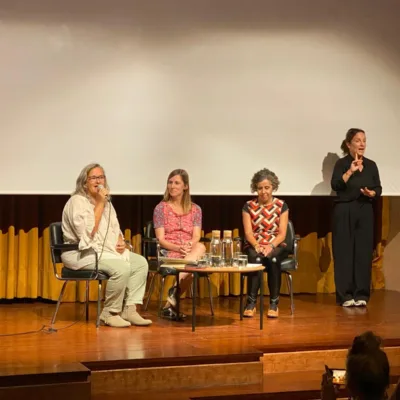
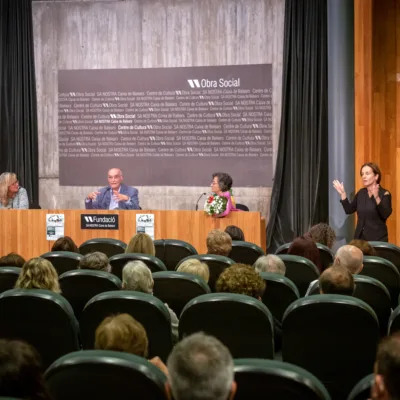
The idea was never simply to organise a programme of events in one place. I imagined a festival with a main stage, where I could organise events and livestream them, alongside many other stages created by people in their own communities, across Spain and beyond.
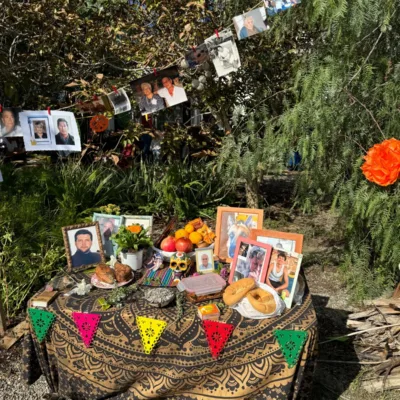
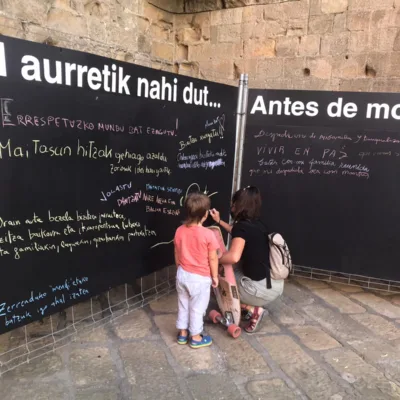
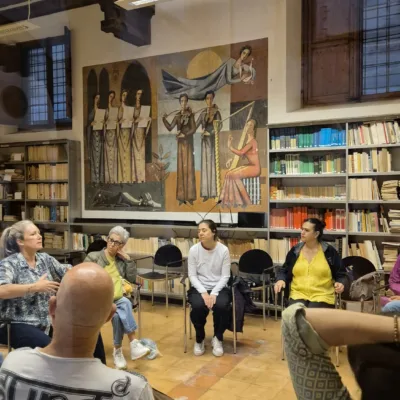
These stages could take many forms: Death Cafés, Before I Die walls, workshops, talks, musical offerings, remembrance ceremonies and all sorts of other opportunities to bring people together.
The aim was simple: to encourage people to talk about death.
Not just professionals talking to professionals, but neighbours, families, friends and people who might never otherwise find themselves in a conversation about dying, bereavement or what matters most to them in life.
We didn’t need to agree on everything. We didn’t need to have all the answers. We simply needed spaces where we could begin.
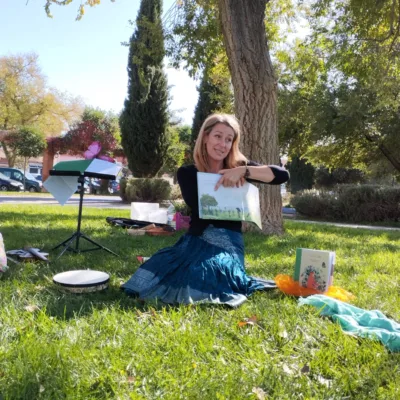
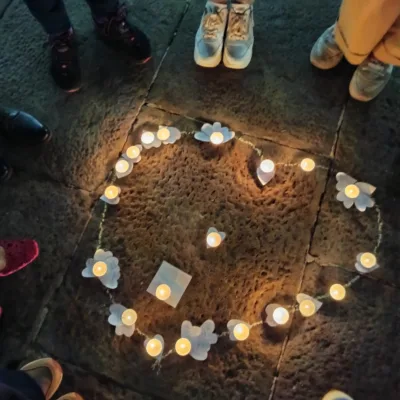
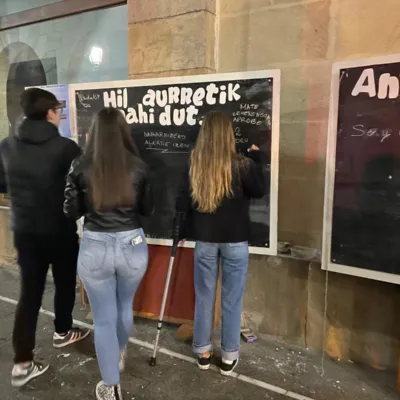
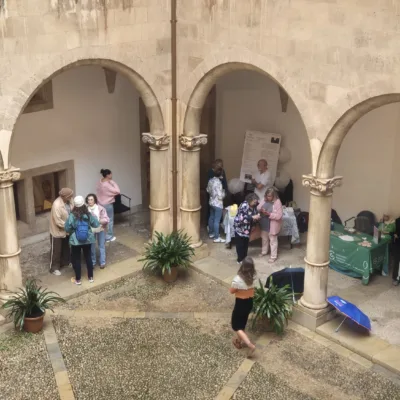
The conversation has grown
Since those early days, the world of death, dying and grief has continued to grow and change. More people are exploring death literacy, more death doulas and end-of-life practitioners are offering their support, and more individuals and organisations are creating spaces for conversations that were once pushed to the margins.
There are people supporting the dying and their families, people accompanying the bereaved, people rethinking funerals and remembrance, and people helping us consider how we want to live right up until the end of our lives.
This is encouraging. There is still a long way to go, but the conversation is happening in more places and in more ways.
And perhaps this is exactly why we need to remember that we don’t have to wait for a festival to talk about death.
Dando Vida a la Muerte 2026: a different kind of year
This year, the festival looks a little different. I’ve stepped back from organising the main programme, and there is no large central programme as there has been in previous years.
But some of the people who have supported the festival since its earliest days are continuing to create opportunities for people to come together.
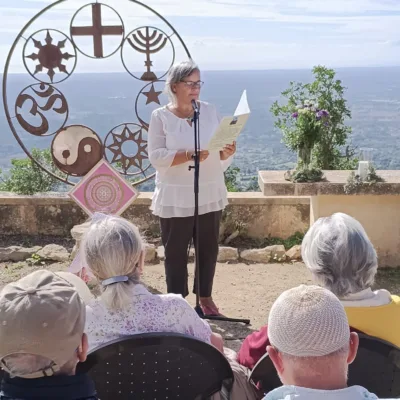
In Donostia / San Sebastián, Bidegin is organising a series of activities, including Death Cafés in Spanish and Basque, a Before I Die wall, a musical remembrance ceremony in the cemetery, and workshops on advance healthcare directives. I’ll also be organising an interfaith ceremony, bringing together different beliefs and perspectives on life and death.
I’m grateful to those who continue to make these encounters possible. Their commitment is a reminder of what the festival was always about: people taking an idea and making it their own.
We don’t have to wait until next year
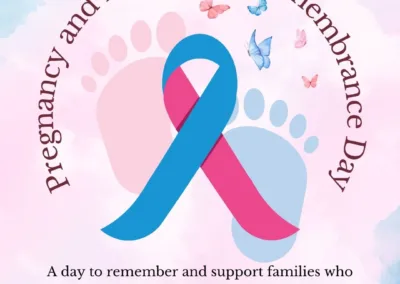
There are already days, weeks and months in the calendar that bring people together around particular experiences. October, for example, includes Baby Loss Awareness Week, while other initiatives focus on palliative care, bereavement and end-of-life issues.
These moments matter. They help raise awareness, create visibility and remind people that they are not alone.
But what if we carried that spirit into the rest of the year, too?
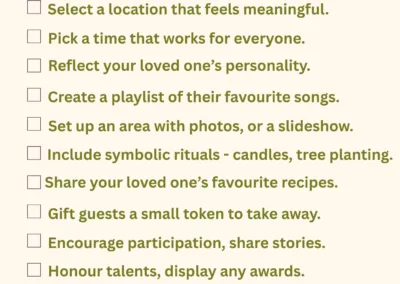
What if we organised a Death Café in our local library, held a conversation in a community centre, invited a speaker to a neighbourhood gathering, created a small remembrance event, or simply asked our friends a question we might usually avoid?
What if we connected with the people already doing this work in our own towns and villages?
You don’t need to organise a festival. You don’t need a big budget, a large organisation or a perfect plan. You need a little curiosity, a willingness to make space for others, and perhaps a few people who feel the same way.
And if you’re already doing this work, perhaps there is an opportunity to connect with others, share ideas and bring your efforts together from time to time.
That was the heart of Dando Vida a la Muerte from the beginning: not to own the conversation, but to help it spread.
And what about Glynis?
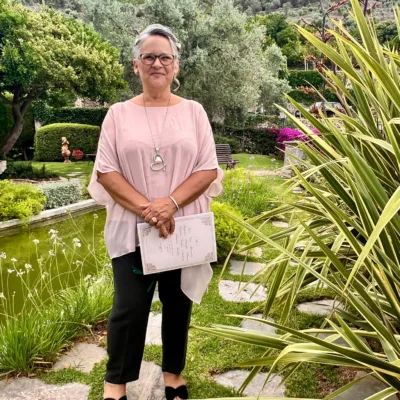
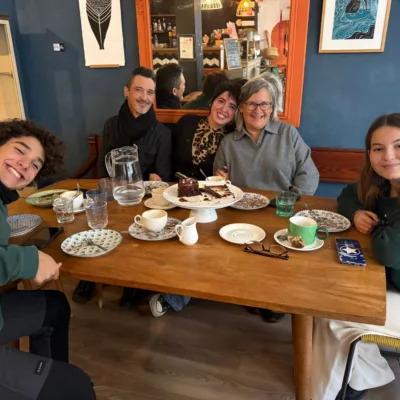
Some of you may have noticed that I’ve been quieter lately. That doesn’t mean I’ve disappeared.
Sometimes we need to step back, take stock and allow ourselves the space to discover what comes next. I’m doing just that, exploring new possibilities and thinking about how I might continue contributing to conversations around death, dying and grief in the future.
For now, I’m happy to see others continuing to carry the conversation forward.
Because Dando Vida a la Muerte was never meant to belong to one person, one organisation or one annual event. It was an invitation to all of us.
So don’t wait for next year’s festival. Start a conversation. Create a space. Bring people together.
And if you do, I’d love to hear about it.
Because every time we make it a little easier to talk about death, we create a little more room for life.
Glynis
Founder of Dando Vida a la Muerte